Beyond the artifact: key considerations for modern museums
Museums have long served as cultural anchors, repositories of our collective past, and beacons guiding our shared future. Yet as society evolves and audiences become ever more tech-savvy, museums face new challenges that extend beyond artifacts.
From inclusive design to sustainability, a range of emerging topics now shape how curators and exhibit designers plan, execute, and maintain their projects.
1. Visitor-centered design
Why it matters
Today's visitors arrive with higher expectations for interactivity, personalization, and instant accessibility. A purely object-focused approach, where artifacts remain static and unchanging, is often no longer enough to captivate audiences.
Practical steps
- Adaptive storytelling: Consider tailoring exhibit content, avoiding text panels as they're static, instead using multimedia or interactive features, to different audience segments (e.g., children, adults, academics, multilingual communities).
- Feedback loops: Install low-friction feedback mechanisms, such as monitoring exhibits or using facial analysis to see how long visitors are actually at an exhibit, with possible emotion detection, or use digital surveys or interactive kiosks to track engagement.
2. Accessibility and inclusivity
Why it matters
Ensuring every visitor feels seen, heard, and welcomed is more than a regulatory requirement; it's a core responsibility.
Practical steps
- Physical accessibility: Incorporate clear signage and adjustable-height interactive displays to accommodate visitors with mobility challenges, and a guidance system for visually impaired visitors.
- Sensory considerations: Offer sign language interpretation, braille text, and touch-friendly exhibits with feedback, ideally both audible and tactile.
- Digital inclusion: Provide accessible resources, such as audio-described or captioned video tours, for disabled audiences.
3. Sustainable practices
Why it matters
Museums are custodians of cultural artifacts and our planet's future. By integrating sustainability into their day-to-day operations and exhibit design, museums can set a powerful example of environmental stewardship.
Practical steps
- Energy management: Adopt LED lighting, smart climate control systems, and energy-efficient AV equipment. At night, turn equipment not in use off using proper power management.
- Waste reduction: Consider digital displays, QR codes to allow visitors access virtual materials in place of paper handouts.
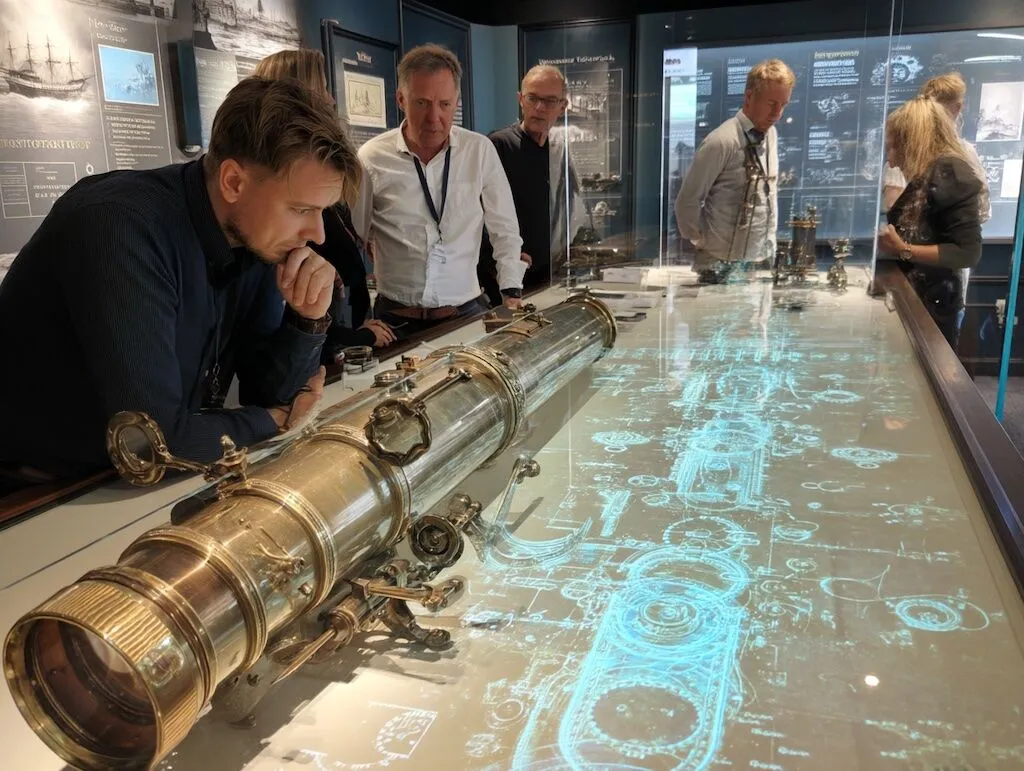
4. Embracing technology thoughtfully
Why it matters
Technology in museums is no longer a novelty; visitors expect it. However, curators and designers must ensure that any digital addition complements, rather than overshadows, the core storytelling elements.
Practical steps
- Purpose-Driven Integration: Introduce personalized content to appeal to a tech-savvy audience.
- Data privacy: If you collect visitor data, ensure strict compliance with privacy regulations and transparent data usage policies.
- Future-proofing: Invest in platforms that can adapt to emerging technologies, so your museum can evolve without requiring frequent large-scale overhauls.
5. Multiple interpretive layers
Why it matters
Different visitors absorb information differently. Visitors are mostly used to being able to select the exact information they are interested in using their smart devices; give them an experience that at least provides a similar ability.
Practical steps
- Tiered content: Provide layered information on multiple levels, and personalize content delivery. "Casual Browsers," "Avid Enthusiasts," and "Scholarly Deep Divers" want different content.
- Multimedia elements: Use soundscapes, videos, "holograms", interactive projections, and interactive experiences to cater to diverse learning styles.
- Artifact-centric storytelling: Let the artifacts themselves do part of the storytelling, possibly through projection mapping or augmented reality overlays.
6. Evaluation and continuous improvement
Why it matters
Adapting to changing visitor expectations is a continual process.
Practical steps
- Data collection: Use both qualitative and quantitative methods to gauge success.
- Iterative upgrades: Embrace a "beta" mindset — be willing to make mid-exhibit modifications based on real-time data.
- Professional development: Encourage staff to participate in workshops, webinars, and conferences.
- Delivery system selection: Select a media delivery system that can grow with you by ensuring that the equipment is non-proprietary so that it is possible to upgrade individual exhibits.
Conclusion: the role of museums beyond artifacts
The role of museums in society is evolving as fast as the technology that shapes our daily lives. By embracing visitor-centered design, prioritizing inclusivity, incorporating sustainable practices, and remaining open to innovation, museums can continue to excel as vibrant, relevant cultural spaces.
The key is to keep listening, iterating, and daring to break new ground, ensuring that museums remain as dynamic and diverse as the audiences they exist to engage.
